
Live Poster Session: Here
Samuel Punter
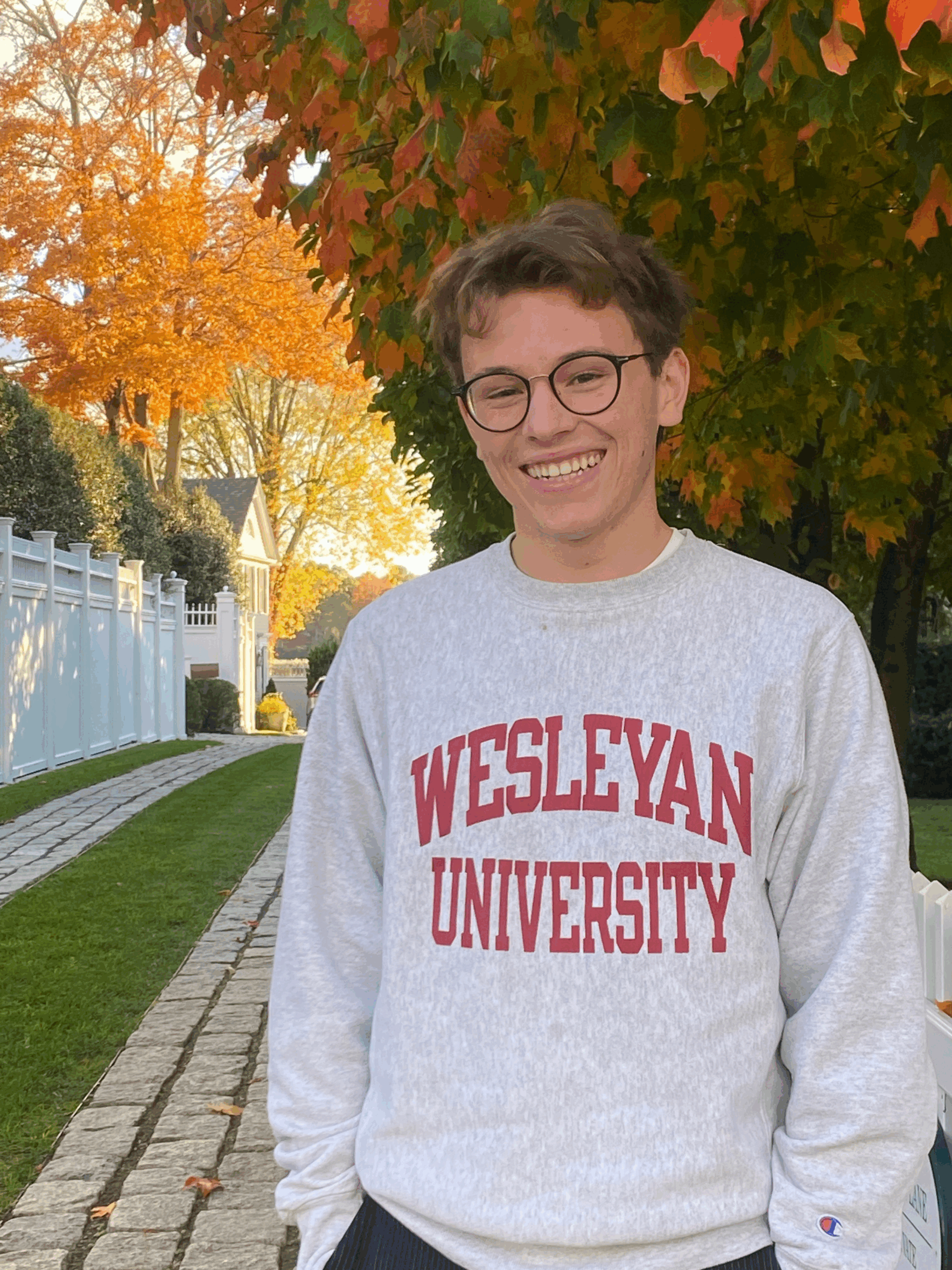
Samuel Punter is a current sophomore at Wesleyan University pursuing a major in Archaeology, and a minor in economics. His academic work includes his current participation in an environmental archaeology lab researching the effects of mass deforestation on climate, and its subsequent effects on ancient society.
Abstract: Low levels of financial literacy in the United States contribute to high household debt and long-term financial instability, which makes early financial socialization an important area of study. This project investigates whether informal financial education during adolescence, such as being given a savings account, is associated with higher financial well-being in adulthood. Using data from 7,865 U.S. adults in the Consumer Financial Protection Bureau Financial Well-Being Survey, I evaluate the relationship between adolescent savings account ownership, broader financial socialization experiences, and adult financial well-being scores. Bivariate analyses show that adults who had a savings account as adolescents report significantly higher financial well-being (p < .001). Exposure to multiple forms of financial socialization is also positively associated with financial well-being (β = 1.092, p < .001). In a multivariate regression that adjusts for socioeconomic and demographic characteristics, adolescent savings account ownership remains a significant predictor of adult financial well-being (p = .05), and the full model explains over half of the variance in scores (R² = .521). These results suggest that early financial exposure has cumulative benefits and may serve as a practical and low-cost approach to improving long-term financial outcomes.
Punter-Samuel-QAC201-Poster