
Live Poster Session: https://wesleyan.zoom.us/j/5885719513?omn=95041698380
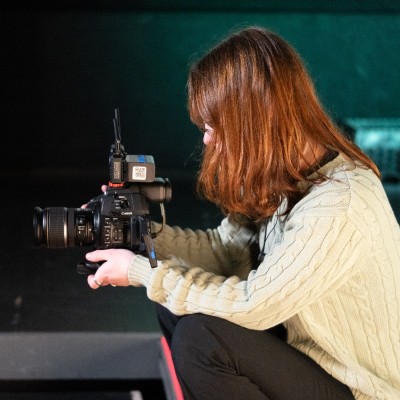
Mia Enikö Alexander
Mia is a Film Studies major at Wesleyan University interested in pursuing a career in marketing and communications post-grad. Outside of the classroom, she serves as Editor-in-Chief of Wesleyan’s literary magazine, plays bass in an indie-rock band, and occasionally creates music videos with her friends.
Abstract: As part of American political campaigns’ marketing and communications strategy, politicians and their strategy teams engage in media planning to deliver their messages to tightly defined audiences most likely to be spurred to donate to their campaigns or to vote in the next election cycle. This study examines whether people who consume NPR online versus through radio programs are more or less likely to contribute to American political campaigns over the course of the 2020 election cycle. Utilizing the 2020 ANES dataset, a logistic regression comparing an individual’s NPR news and NPR web consumption with their campaign contributions found that people who listen to NPR news on the radio instead of turning to NPR’s website for news were significantly more likely to contribute to a political campaign over the course of the 2020 election cycle. The regression also found that people who consume any format of NPR News were significantly more likely to contribute to a political campaign over the course of the 2020 election cycle than people who did not consume NPR News.
FINALFINALFINALQAC201