
Faculty Sponsor: Professor Nazzaro
Zoom Meeting Link: https://wesleyan.zoom.us/j/99619020831
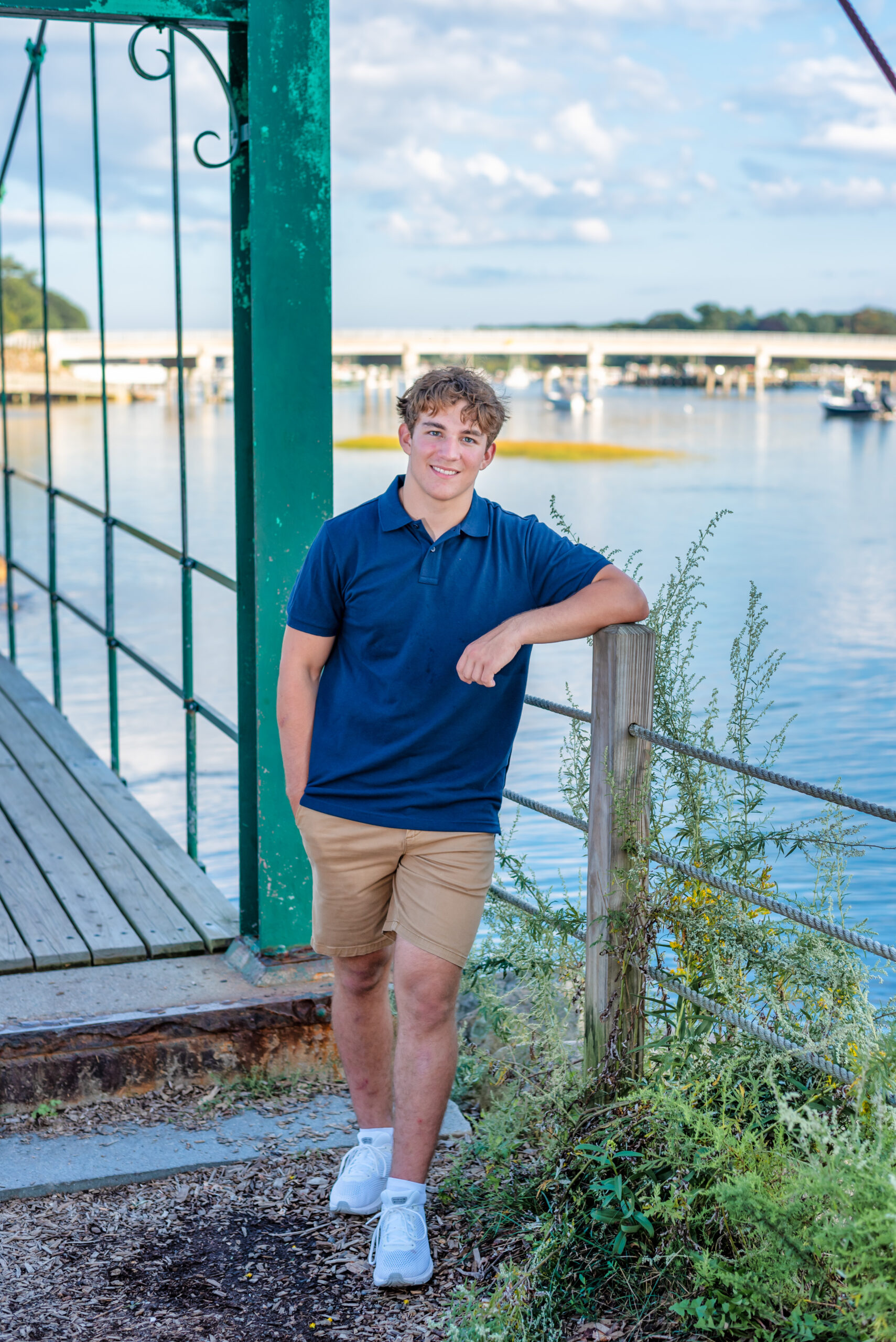
Benjamin Ronca
My name is Benjamin Ronca, and I am from York,Maine. At Wesleyan, I am a Sophomore studying Government & History double major looking to potentially go to law school in the future. I am also on the Varsity Wrestling Team.
Abstract: Throughout the modern era the power of religion has remained one of the most persistent social forces shaping the political behavior of citizens in the United States, yet its influence on the breadth rather than the likelihood of voter participation is less understood. While previous research has found strong associations between religiosity and voter turnout, little work has examined whether ‘more religious’ individuals participate in selective ‘high-visibility elections’ or engage more broadly across multiple levels of government. Using data from the American National Election Studies (ANES), this study investigates whether strength of religious belief predicts the range of elections in which U.S. adults vote. Respondents reporting complete data on religiosity, voter participation, and political attentiveness (n=2602) were analyzed using measures of religious importance, party identification, and frequency of political engagement. It’s hypothesised that stronger religious commitment will correspond to higher participation in presidential elections, but narrower participation across both congressional and local sectors, while lower levels of religiosity are associated with broader civic participation. Results from this analysis look to clear up how religiosity may not simply increase voter turnout, but shape where citizens choose to participate in democratic processes. Understanding these patterns helps to offer an insight into the workings by which religion mobilizes political behavior, helping to inform future research and possible strategies to expand voter participation across electoral contexts.
QAC201_-Final-Poster-Impact-of-Religiosity-on-Political-Engagement-1